How to Clean Vintage and Antique Glassware Safely
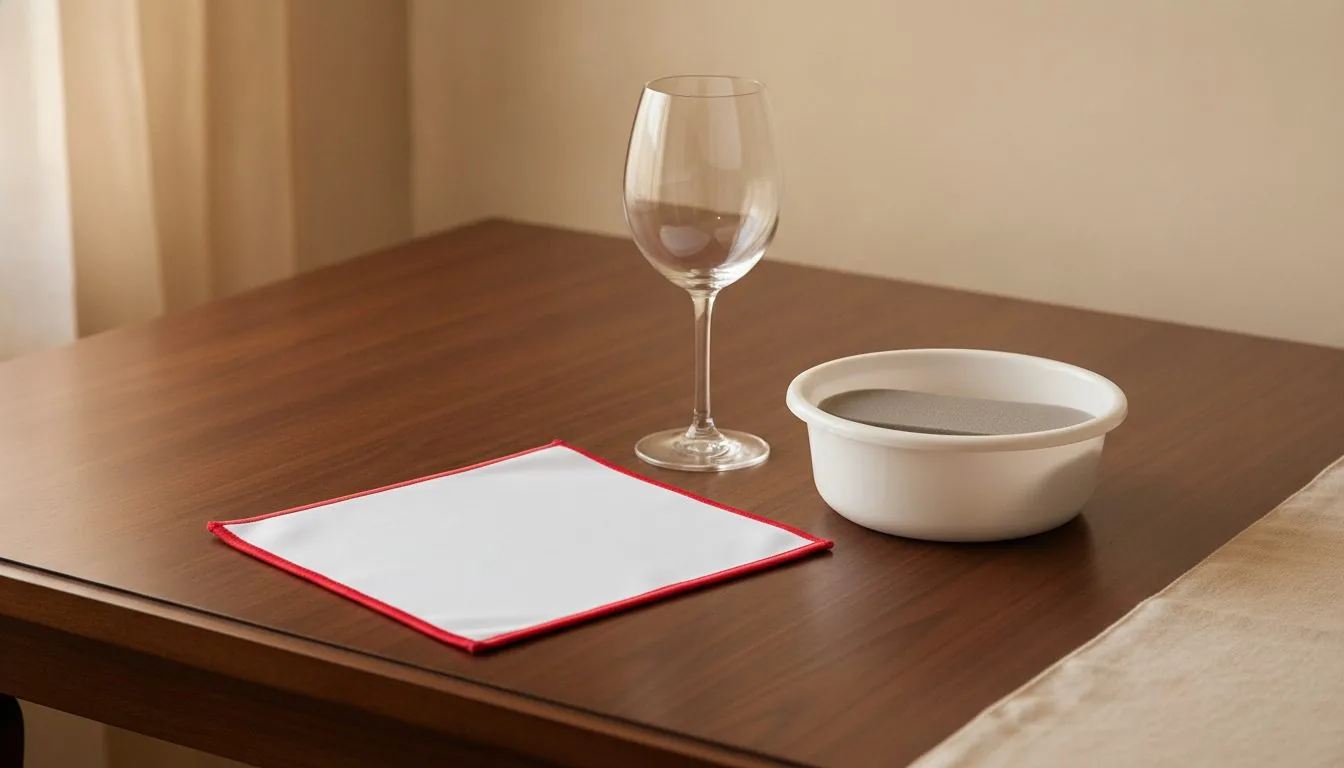
Quick Answer: Sound old glass can usually be washed by hand, one piece at a time, in a plastic basin or a sink lined with a foam pad, and dried with a soft cloth. Do not wash hand-painted decoration, and do not put valuable glass in a dishwasher. Look first: cloudy, slimy or finely cracked glass may have glass disease, which Wikipedia says cannot be reversed. For a valuable piece, ask a conservator.
Old glasses turn up in attics, estate sales and gift boxes, and the fear of breaking one is reasonable. This guide covers what to check before you wash, how hot the water should be, and when to stop. It does not identify a piece, value it or say whether it contains lead. For cloudy crystal, see how to clean cloudy crystal glasses.
Can you wash vintage and antique glassware?
Usually, if the glass is sound and plain. The Kansas Historical Society, a state agency, says in its guide to preserving china and glassware (checked October 2026) that crystal may be washed carefully with a mild detergent in a rubber basin or a sink lined with a foam pad. Handle one piece at a time and dry it with a soft cloth. It also says dishwashers are a risk for all valuable ceramics and glassware, and that decorative pieces, particularly hand-painted designs, should not be washed.
The British Antique Dealers' Association (BADA), a trade body, adds a few habits in its antique glass guide (checked October 2026): remove jewelry first, use a plastic bowl rather than a metal or ceramic sink, and turn the tap spout away from the basin so you do not knock the glass.
What should you check before you wash an old piece?
Look at the surface in bright light, and feel it. Wikipedia's glass disease article (checked October 2026) describes a slow breakdown of unstable glass. Once the damage has occurred it is irreversible. The article says the first stage can feel slippery or slimy, with tiny droplets in high humidity, and that a gentle wash may remove the surface deposit at that point.
| What you see or feel | What it may be | What the sources say to do |
|---|---|---|
| Slippery or slimy feel, tiny droplets in humid air | Early glass disease (weeping) | A gentle wash may remove surface deposit; ask a conservator if the piece is valuable |
| Fine silvery lines seen at an angle in low light, haze that stays after washing | Later stage glass disease | Wikipedia says damage is irreversible once it has occurred; ask a conservator |
| Hand-painted decoration | Fragile finish | Do not wash it, per Kansas Historical Society |
| Chip on the rim | Damage | Stop using it; BADA says to seek professional help from a specialist dealer |
| Milky stain in a decanter | Wine acid stain | BADA says it needs professional buffing |
Gold rims and gilding are not covered by any neutral source read for this post. Check the maker's care label, and if there is none, keep the piece out of the dishwasher.
How hot should the water be?
Warm and even, and the sources disagree. BADA says virtually all antique glass should be washed in water as hot as the hand will stand and dried while hot. The Kansas Historical Society warns that sudden temperature changes can cause breakage, and the crystal maker Val Saint Lambert asks for lukewarm soapy water at a consistent temperature. This guide follows the warm option: the same lukewarm temperature for wash and rinse, never hot water on cold glass. It does not recommend BADA's hot wash.
How do you wash and dry an old glass?
One piece at a time, in a plastic basin or foam-lined sink, with lukewarm water and a little mild detergent. Hold the bowl or foot, and do not twist the bowl against the stem. Rinse at the same temperature. Val Saint Lambert asks for a soft sponge and nothing rough or metallic, then a soft, non-fluffy cloth to dry. BADA suggests a lint-free cotton cloth. For a decanter, see how to clean a crystal decanter.
Store old glass away from temperature extremes and direct sunlight. The Kansas guide notes that crowded shelves raise the risk of breakage; store wine glasses upside down or upright covers the rim question.
Could old glass be lead crystal?
Possibly, and this post cannot tell you whether yours is. The US EPA (Reduce the Risk of Lead Exposure at Home, checked October 2026) says to avoid storing or serving food and liquids in lead crystal, and that it can be especially harmful if chipped or cracked because lead can leach. The full question is in is lead crystal safe?.
The Excalibur Brothers Premium Glass Polishing Cloth is our own product, sold on this site. The Premium Glass Polishing Cloth in white is a microfiber cloth, sold as a pack of two and listed at 23.5 x 20 inches per cloth. The page says to use it dry or barely dampened. It is a finishing step for a sound piece that is already washed and dry.
When this is not the right choice: a cloth does not clean gilded or painted decoration, stop weeping or crizzling, or repair a chip. For a valuable piece, ask a conservator before you do anything.
Frequently asked questions
How do you clean antique glassware?
By hand, one piece at a time, in lukewarm water with a mild detergent, in a plastic basin or foam-lined sink, then dry with a soft cloth. Skip it for hand-painted pieces.
Can antique glass go in the dishwasher?
The Kansas Historical Society says dishwashers are a risk for all valuable glassware. Wikipedia says crystal, historic glass and treasured family items should never go through one.
Can you wash hand-painted glassware?
The Kansas Historical Society says decorative pieces, particularly those with hand-painted designs, should not be washed.
How do you clean vintage etched or gold-leaf glassware?
No neutral source read here covers etched or gilded decoration. Follow the maker's care label, and if there is none, wash gently by hand and keep it out of the dishwasher.
What is glass disease?
A breakdown of unstable glass that can cause weeping, crizzling and cracking. Wikipedia says the damage is irreversible once it has occurred.
How do you clean an antique decanter?
BADA says a dark stain can usually be removed with a good bottle brush and warm water mixed with a cleaning fluid, and that milky wine stains need professional buffing. Dry the decanter thoroughly after use.