Types of Beer Glasses: Pint, Pilsner, Weizen and Tulip
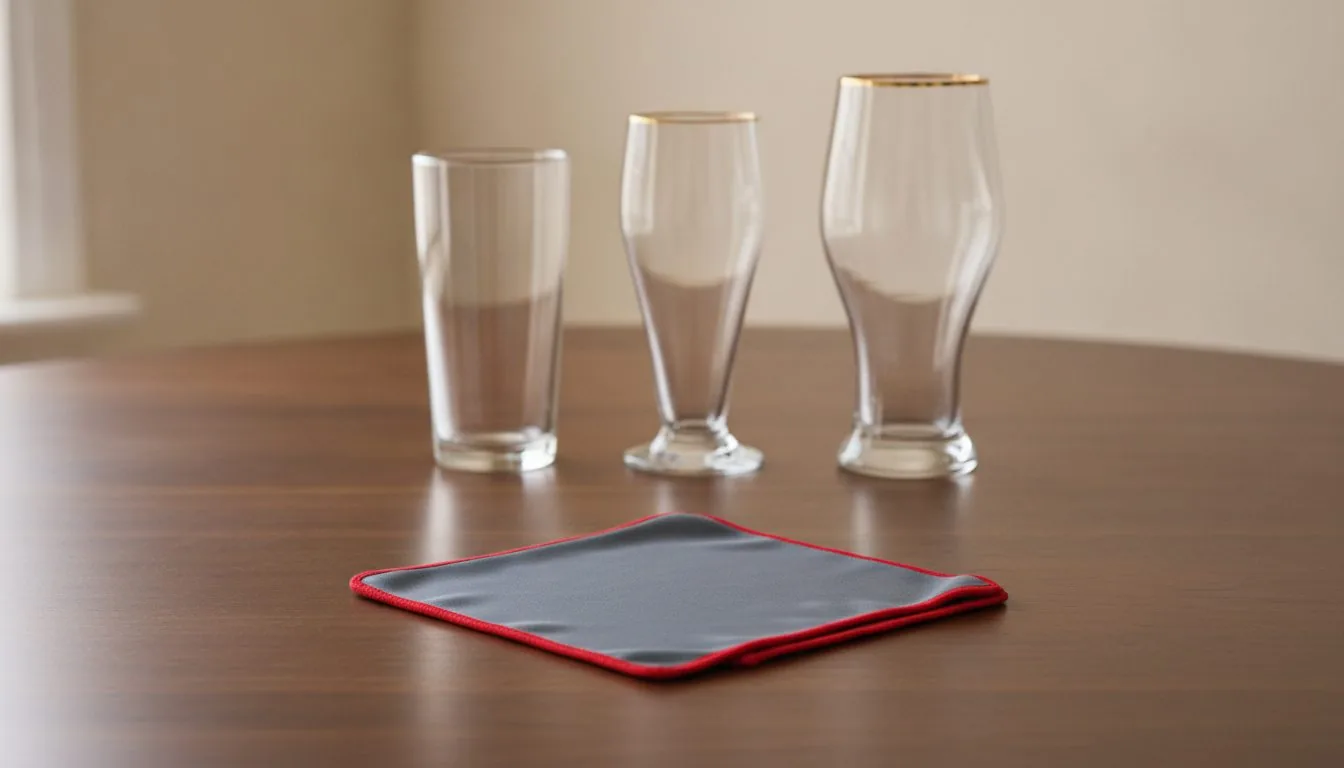
Quick Answer: The common beer glasses are the pint glass (conical, nonic or jug), the pilsner glass (tall, slender and tapered), the weizen glass (narrow at the bottom, wider at the top), and the tulip (a bulbous body with a flared lip). A US pint glass is 16 US fl oz (473 ml) and a British imperial pint is 20 imperial fl oz (568 ml). The Brewers Association says specialty glassware is not essential.
A cabinet of mismatched beer glasses, or a set given as a gift, raises the same question: what is each one called, and what is the shape for? This guide uses Wikipedia and the Brewers Association's CraftBeer.com to sort out the names and the shapes. It names no beer brand and recommends no beer. For washing any of them, see how to clean drinking glasses, and for spirits glasses, types of whiskey glasses.
What are the main types of beer glasses?
Wikipedia's beer glassware article (checked October 2026) lists styles by region. Parts of it, including the German and Belgian sections, carry a "needs more citations" tag, so the table is Wikipedia's description and not a standard.
| Glass | Shape | What Wikipedia says it is for |
|---|---|---|
| Pint glass | Conical, nonic (with a bulge) or jug glass | Holds a pint; serves beer and often cider |
| Pilsner glass | Tall, slender, tapered | Light beers such as pale lager or pilsner; shows color and carbonation, broad top helps keep the head |
| Weizen glass | Narrow at the bottom, slightly wider at the top | Wheat beer; the width releases aroma and leaves room for a thick head |
| Tulip glass | Bulbous body, flared lip | The lip helps head retention; suggested for aromatic beers |
| Stange | High, narrow cylinder | Traditionally Kölsch |
| Goblet or chalice | Large, stemmed bowl | Heavy Belgian ales and other big sipping beers; goblets are thicker, chalices thin-walled |
| Flute | Like a champagne flute | Belgian lambics and fruit beers; the narrow shape helps maintain carbonation |
The snifter also appears in the article for aromatic beers. It is covered in snifter vs tulip.
What size is a pint glass?
It depends on the country. Wikipedia's pint glass article (checked October 2026) says a pint glass is made to hold either a British imperial pint of 20 imperial fluid ounces (568 ml) or a US pint of 16 US fluid ounces (473 ml). The beer glassware article adds that in the US the glasses may vary somewhat, and that glasses of 500 ml are also called pints in American usage. So the word "pint" on a box does not tell you the volume. Check the listing.
The common shapes are the conical glass, called a shaker pint in the US, the nonic, and the jug glass. Wikipedia says the nonic bulges a couple of inches from the top, partly for grip, partly to stop glasses sticking together when stacked, and partly to protect the rim from chipping. The jug glass, or dimple mug, has a handle and a grid of thickened glass.
What makes a pilsner, weizen and tulip glass different?
Mostly where the glass narrows and widens. The pilsner glass is an even taper, tall and slender. Wikipedia says weizen glasses are sometimes called pilsner glasses by mistake because they look similar, but a true pilsner glass has an even taper with no curvature. The weizen is narrower at the bottom and wider at the top, taller than a pint glass, and shaped for the thick head of wheat beer. The tulip has a bulbous body like a brandy snifter with a lip that flares out, and Wikipedia notes that some outward-tapering pint glasses are also called tulips despite having less curvature.
Do you need special beer glasses?
No, and the Brewers Association says as much. In its article on glassware (checked October 2026), CraftBeer.com says specialty glassware still isn't essential. It reports a Japanese study finding that glass shape can affect how ethanol escapes around the edge of a glass, and says a stem keeps your whole palm from warming the glass. That is one article's reading of one study. Your own pint glass will do the job.
How do you wash and care for beer glasses?
The same way as other drinking glasses: by hand if you are unsure, holding the base, and dry fully. Wikipedia notes the nonic's shallow curves were designed in part to make cleaning easier. Narrow or flared shapes, such as a tulip or a weizen glass, are harder to reach into with a hand, so use a soft sponge or brush with care. The full routine is in how to clean drinking glasses, and the finishing steps are in how to polish wine glasses. A chipped glass should be retired, whatever it holds.
The Excalibur Brothers Premium Glass Polishing Cloth is our own product, sold on this site. The Premium Glass Polishing Cloth in gray is a microfiber cloth, sold as a pack of two and listed at 23.5 x 20 inches per cloth. The page says to use it dry or barely dampened. It is for the finishing step on a clean, dry glass of any shape.
When this is not the right choice: a cloth does not choose a glass for a beer, does not fix etching, and does not deal with residue on the inside of a glass that comes from poor rinsing. That is a washing and rinsing job.
Frequently asked questions
What are the different types of beer glasses?
Wikipedia lists the pint glass, pilsner glass, weizen glass, tulip, stange, goblet or chalice, flute and snifter among the common ones.
What size is a pint glass?
A British imperial pint is 20 imperial fl oz (568 ml) and a US pint is 16 US fl oz (473 ml), according to Wikipedia. Some glasses called pints hold 500 ml.
What is a nonic pint glass?
A pint glass with a bulge a couple of inches from the top. Wikipedia says the bulge helps grip, stops stacked glasses sticking together and protects the rim from chipping.
What is the difference between a pilsner glass and a weizen glass?
A pilsner glass has an even taper, while a weizen glass is narrow at the bottom and wider at the top and is taller than a pint glass. Wikipedia says they are sometimes confused.
What is a tulip beer glass?
A glass with a bulbous body and a flared lip, similar in shape to a brandy snifter. Wikipedia says the lip helps head retention.
Do you need different glasses for different beers?
The Brewers Association's CraftBeer.com says specialty glassware is not essential, though glass shape can affect aroma.